
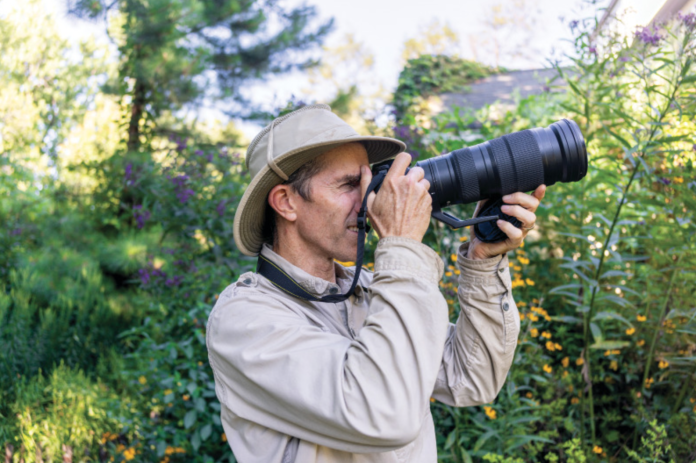

Scouting the scene with his hefty telephoto lens, Kent Anderson looks like a photographer on safari. But the wild habitat in his camera’s viewfinder is his Arlington backyard—home to warblers, a Cooper’s hawk, woodpeckers, Swainson’s thrush and some bird species you wouldn’t normally see in the suburbs.
When Anderson moved from Hawaii to Virginia 12 years ago with his wife, Kendra, and their two daughters, their yard was “your typical Arlington manicured place,” he says, with a grass lawn, heavenly bamboo, Japanese spirea and non-native plants. Since then, he’s “slowly converted it over to native plants,” while keeping a grassy space for the family dog.
As a result, the birds visiting their property have diversified and proliferated. He used to see an occasional Carolina wren. Now there are “families of them.” Song sparrows, house wrens and catbirds have built nests in the trees and in brush piles he keeps out back for that purpose.
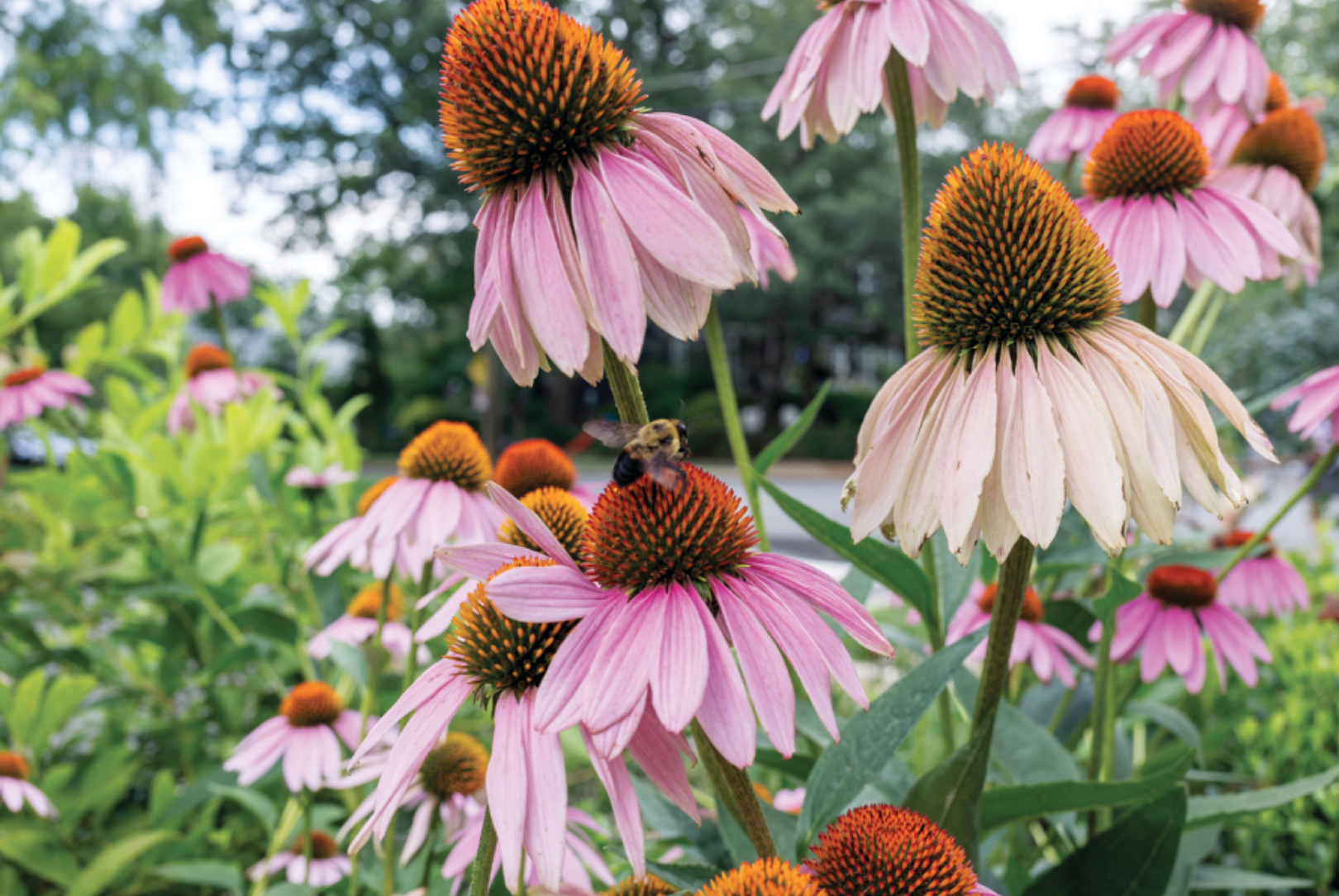
In addition to the elm tree out front and giant river birch in back, the landscaping includes understory layers of flowering native shrubs—New Jersey tea, button bush and St. John’s wort—and perennials such as ironweed, coneflower, asters and goldenrod, all of which provide food for feathered visitors year-round.
Since the 1970s, the U.S. has lost more than a quarter of its avian population—nearly 3 billion birds—according to a 2019 study published in Science magazine. Audubon’s 2025 State of the Birds report identifies 229 species requiring urgent conservation action, including 42 that are in danger of extinction. Eastern forest birds have declined by 27%, and grassland birds by 41% over the last half century.
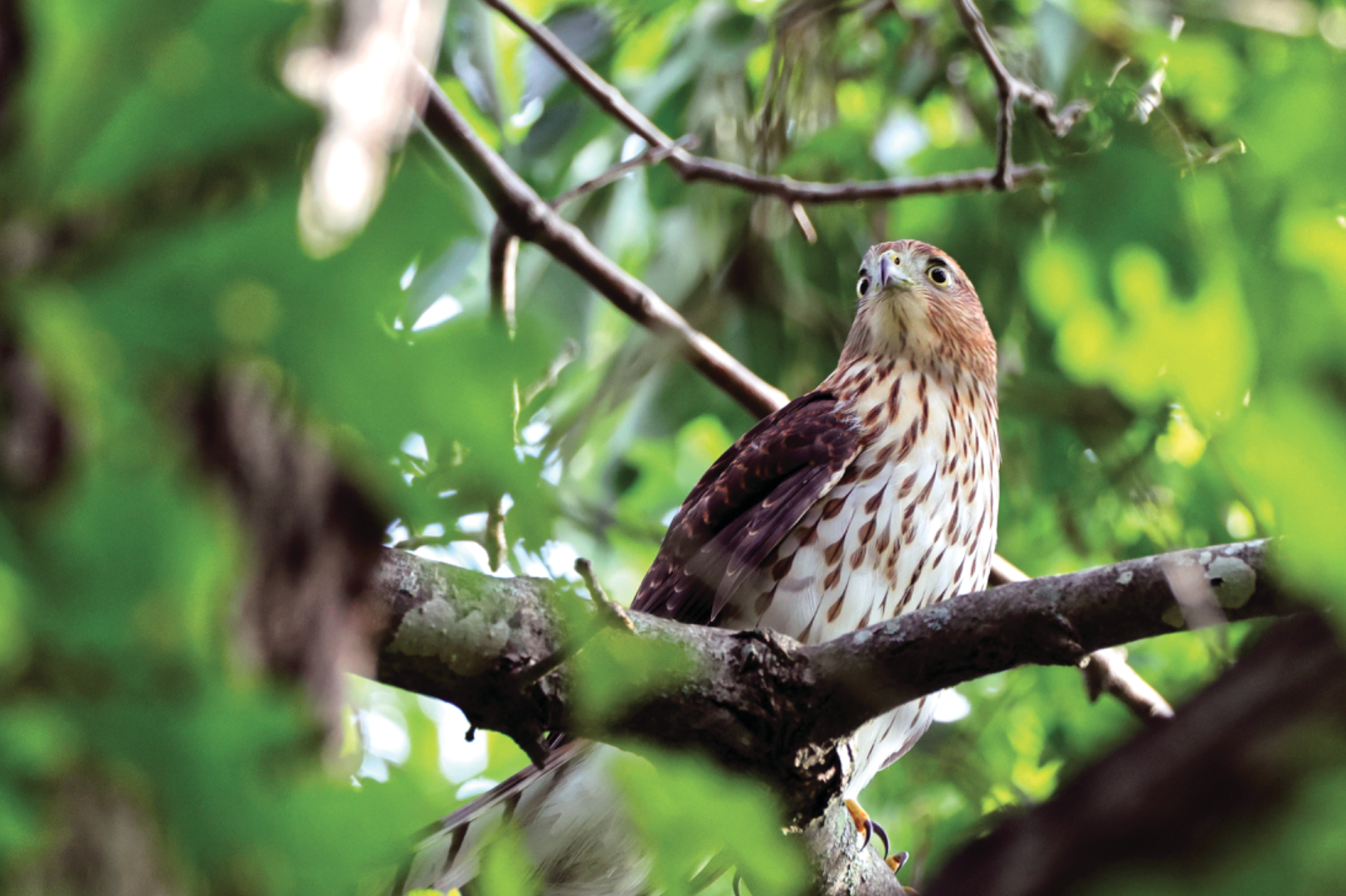
“When we see declines like those, we need to remember that if conditions are not healthy for birds, they’re unlikely to be healthy for us,” says Amanda Rodewald, faculty director of the Cornell Lab of Ornithology’s Center for Avian Population Studies. Pesticides that destroy the food chain are also linked to cancer in humans, and habitat destruction caused by climate change is a problem for all living creatures, including people who live in disaster-prone areas.
Installing bird feeders is “one way to support birds,” says Rachael Tolman, an Arlington County conservation and interpretation manager, although not the most critical one. Here’s why: Mature birds subsist on seeds, berries and other foods that fill bird feeders, but their babies need a diet richer in fat and proteins. Some 96% of terrestrial North American birds feed their chicks insects—mainly moth and butterfly larvae in the form of caterpillars. Those insects, in turn, need native plants to thrive and reproduce.
A 2018 study of Carolina chickadees in the D.C. region, conducted by University of Delaware entomologist Doug Tallamy and other scientists, determined that chickadee parents must gather between 390 and 570 caterpillars each day to support a clutch of four to six chicks. Multiply that by 16 days (the length of a chick’s progression from hatching to fledging), and the need amounts to between 6,000 and 9,000 caterpillars per clutch. At least 310 North American bird species consume caterpillars to survive.
The problem is yards dominated by grass lawns and non-native plants are essentially “food deserts” for native insects—and thus for birds. Tallamy encourages homeowners to make landscaping choices comprising at least 70% native species, including trees, shrubs, perennials and groundcover.
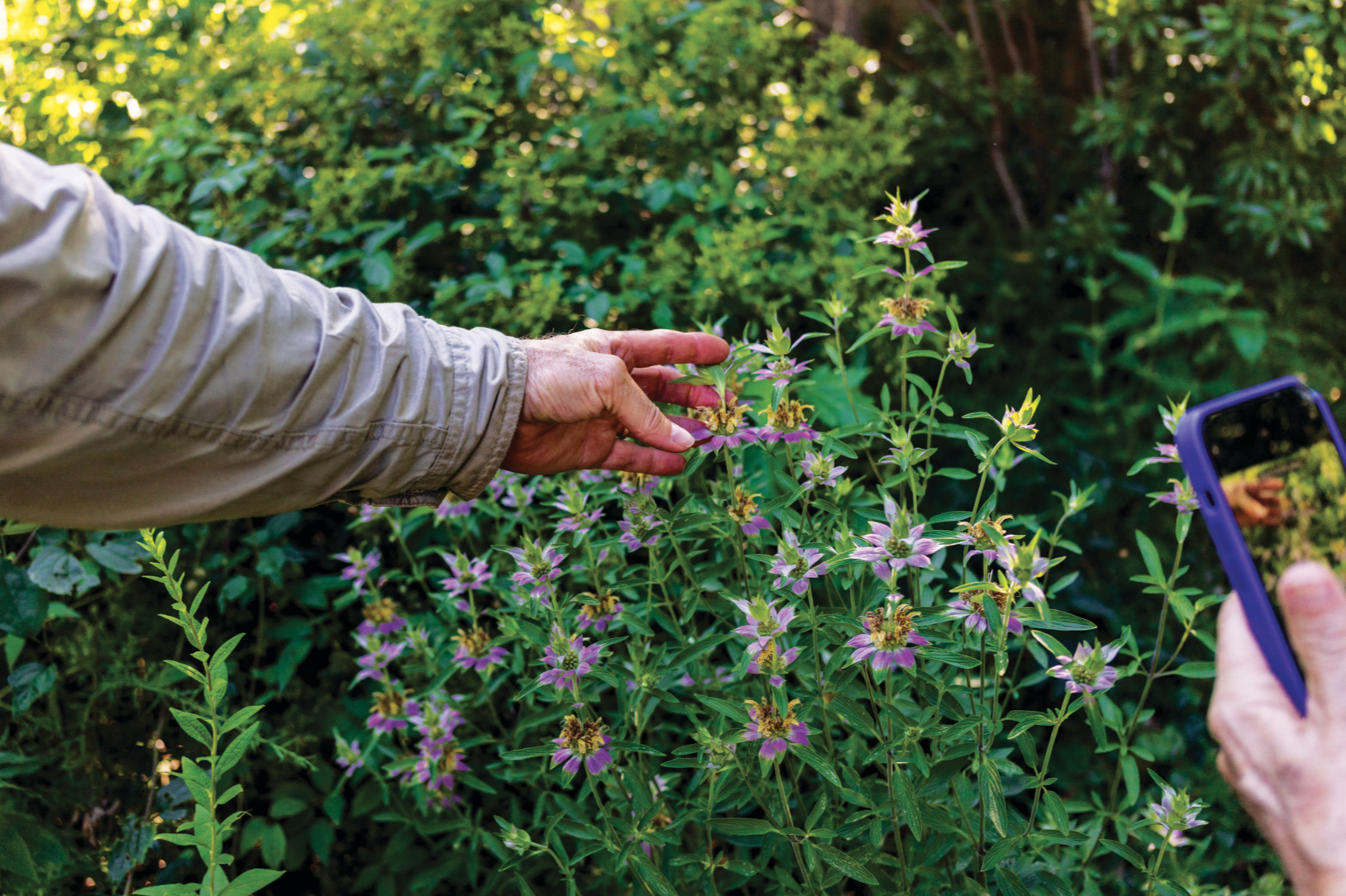
“Reducing the area of lawn and replacing it with the plants that make bird food—that’s those caterpillars and berries—is a good thing to do,” he says. “Lawn doesn’t do any of those things.”
Creating a “soft landing zone” for caterpillars underneath host trees is another way to support this important food source. Caterpillars born in trees fall to the ground and wriggle under the soil to pupate. If the ground is hard or the grass roots are too thick to penetrate, they can’t wriggle very far, which makes them vulnerable to getting squished or picked off by predators.
To create a cushion, Tallamy and Minnesota-based conservationist Heather Holm suggest leaving fallen leaves in place, or adding a “green mulch” layer of understory plants such as wild ginger, ferns and carex (grasses). Also referred to as “living mulch,” these low-growing natives can offer the same weed suppression benefits as wood chips or straw, while preventing erosion, building soil health, and creating a soft habitat for caterpillars and other beneficial insects.
The greater D.C. region is part of the Atlantic Flyway, an East Coast migration path that birds follow yearly. Many winged travelers—ruby-throated hummingbirds, warblers, hawks and sparrows among them—alight in our yards and green spaces to rest and refuel.
“We’re literally one mile from National Airport, and I’ve got all these crazy birds,” says Aurora Hills resident Basil Kiwan. Visitors to his yard during the annual spring migration include orchard orioles, flickers and his favorite, the chestnut-sided warbler.
When Kiwan and his spouse, Mike Weber, bought their home in 2016, they inherited some landscaping challenges, including invasive English ivy and running bamboo. They removed the ivy, only to discover that the soil on their sloped property was dry and sandy.
After hiring a landscaper to create informal terraces with large rocks, Kiwan asked an ambassador from the Northern Virginia Bird Alliance (NVBA)—the local chapter of the Audubon Society—to visit his yard and offer recommendations for making it more wildlife friendly. Although the lot was graced with large oaks, a native black cherry and pollinator-friendly perennials, the ambassador determined it needed a middle canopy of smaller native trees and shrubs.
Layering is an important part of bird-friendly landscaping, advises NVBA ambassador Alda Krinsman. Between the tallest treetops and the lowest groundcover is a lot of airspace that birds will frequent if given the means to do so.
Acting on that advice, Kiwan added a redbud, silky dogwood, arrowwood viburnum and American hophornbeam to provide additional shelter and nesting areas for birds. To prevent erosion, he planted the short native northern bush honeysuckle and false indigo. To attract hummingbirds, he hung a feeder, then built a vertical trellis of climbing native coral and trumpet honeysuckle. Today, the tiny, iridescent birds whiz around the trellis collecting nectar, and the feeder is almost unneeded.
Creating an ideal bird sanctuary also means avoiding practices that might harm birds, including mosquito spraying and other pesticides.
Spraying for mosquitoes “literally is killing off the food source for what birds are feeding their young,” says Arlington conservationist Tolman. “The insecticides kill everything, not just mosquitoes. If the chicks don’t have enough food, we don’t have as many chicks.”
Outdoor lighting can be problematic, too. Moths are attracted to white bulbs and will “exhaust themselves flying around outdoor lights,” expending the energy they should be using to reproduce, Tolman says, and lower reproduction rates mean fewer caterpillars to feed baby birds. Changing outdoor bulbs from white to yellow is a simple swap.
“Light pollution is one of the major causes of insect decline, and it’s particularly hitting nocturnal moths,” says Tallamy, the entomologist. “It’s the caterpillars of those moths that birds use to raise their young. So it’s indirect, but you’re helping the birds by saving their bird food.”
Excessive and misdirected external lighting can also harm migrating birds. Although birds use magnetic fields to guide their journeys, “they’re also reliant on navigating by landmarks and by the stars,” Tolman says. “When it’s hard to see the sky because of light pollution, that’s a problem.” Homeowners can help by installing motion-triggered lights that shut off when not in use.
Outdoor cats pose yet another threat. Tolman suggests keeping cats indoors and perhaps a installing a “catio” (an enclosed outdoor space or screened area that allows them to get fresh air without imperiling wildlife).
Window collisions cause a shocking number of bird deaths each year. More than 1 billion birds die as a result of flying into window reflections that look like trees or sky, particularly during migrations, according to the American Bird Conservancy. To avoid these scenarios, the organization has created a database of solutions for homeowners and apartment dwellers at abcbirds.org/products.
If you enjoy watching birds at your feeders, be sure to clean the feeders weekly to prevent mold (unscented dish soap and water does the trick), and avoid putting feeders in places that expose birds to predators. The ideal spot will be near a tree or shrub where smaller birds can escape to hide, versus an exposed area that gives hawks an open flight path. Bird houses, including nesting boxes and gourds, should also be cleaned out after a nesting cycle; otherwise subsequent birds won’t reuse them.
Private property is a human construct that means nothing to birds. Tallamy is co-founder of Homegrown National Park, a nationwide movement that encourages homeowners to think of their yards not as private realms, but as part of a larger wildlife corridor and ecosystem.
Locally, the NVBA has launched a similar Stretch Our Parks program that encourages residents to “stretch the positive ecological impacts of our parks beyond their borders” and combat habitat fragmentation. In Arlington, volunteers are working to extend a natural corridor from Upton Hills Regional Park to Bluemont Park, using private properties as connective waystations. Together they’ve removed invasive plants, introduced county-supplied native plants and caged saplings to protect them from deer.
Similar efforts are underway in the bird-rich area between Four Mile Run Park and Alexandria’s Monticello Park. Last year, NVBA recorded some 65 different bird species during its annual Monticello Bird-a-thon, including redstarts, 18 types of warblers and a yellow-billed cuckoo.
In Falls Church, Debi Guido-O’Grady’s journey to becoming “the restoration lady” for the Poplar Heights Recreation Association (PHRA) park began several years ago when she noticed invasive plants in the woods next to her Fairfax Terrace home. Located near the W&OD Trail, the 6-acre park is a popular spot for dog walkers and runners. It’s also “the last stand of trees in this area and a riparian buffer zone for a stream,” she says.
In 2023, Guido-O’Grady joined forces with a fellow dogwalker to host a series of habitat rescue days, enlisting volunteers to clear invasive plants and remove non-native vines that were stressing the trees. During the first cleanup, they discovered that residents and grounds workers had been dumping leaves into the park, which was further suppressing the growth of native saplings that support birds.
After removing non-native honeysuckle, porcelain berry and multiflora rose, and educating neighbors about the suffocating effects of leaf dumping, they saw the forest rejuvenate, with native sycamore, poplar, dogwood, American holly and pawpaw saplings. In 2024, 46 volunteers from PHRA and the community at large cut invasives off 89 trees and removed three dump trucks worth of invasive plants. Their efforts are ongoing.
PHRA has received two grants from NVBA, says Guido-O’Grady, now a Green Spring Master Gardener and a Fairfax County Tree Steward. That seed money “stimulated a huge amount of general interest and inspired the PHRA board to budget for invasive remediation,” she says, including allocating matching funds, educating landscapers about native plant care and hiring a professional company to use herbicides on stubborn invasive plants. Today, the woods host a family of hawks, various species of woodpeckers and sapsuckers, and a pair of barred owls.
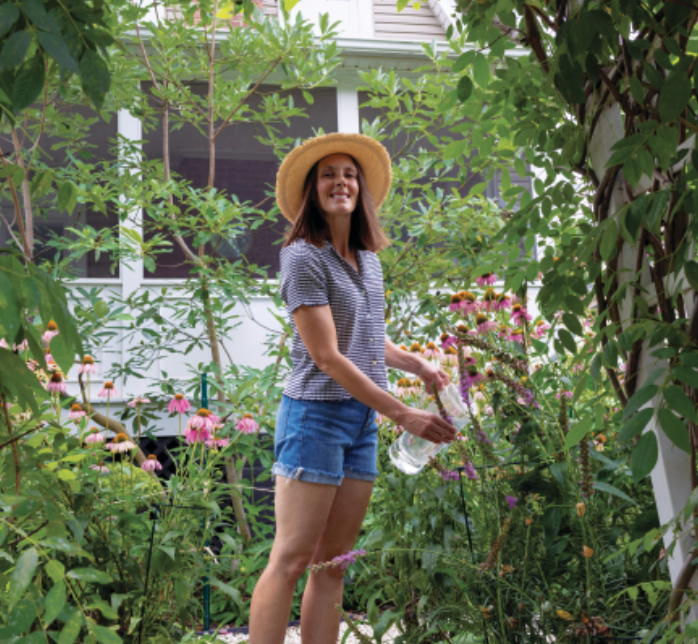
Arlington resident Kristin Kittredge wants birds to feel at home in the canopy surrounding her house in Aurora Hills. She’s been gardening accordingly. When she and her husband, Steve, moved here five years ago, their front and back yards were “bare patches of grass.” Now their property is lush with native flora, including redbud, black tupelo, river birch and native wisteria.
Kittredge routinely trades native plants and know-how with her neighbors, and together they’re aiming to create a wildlife corridor teeming with biodiversity and birdsong. “That’s made it more fun to work in the garden and see what they’re doing and share what I’m doing,” she says. “It’s amazing what a transformation you can do in such a short amount of time.”
She, like others interviewed for this story—Anderson and Kiwan included—has undergone training to become an Arlington Regional Master Naturalist (ARMN). Organized by the local chapter of the Virginia Master Naturalists, the semester-long program trains volunteers to serve as eco-stewards. Kittredge also volunteers as an NVBA ambassador.
Her husband is her latest convert. “Steve was never into this,” she says, “but he knows the plants now. He’ll say things like, ‘Oh, the catbird was out on the blueberries.’ It’s fun to see as it starts to form and transform. That’s where it becomes addictive.”
Keystone Plants
The vast majority of North American bird species rely on caterpillars as a primary food source for their young. Working in partnership with the National Wildlife Federation (NWF), University of Delaware entomologist Doug Tallamy has identified “keystones”—native plant species that support the greatest share of caterpillars as host plants. According to the NWF, a full “96% of our terrestrial birds rely on insects supported by keystone plants.” These keystones top the list in our ecoregion:
Trees: Oaks, river birch, native plum, native cherries, silver and sugar maples, chokecherry, box elder, Southern crabapple, Eastern white pine
Shrubs: Native blueberry, cranberry, hawthorn, serviceberry, dogwood, bayberry, viburnum, prairie willow, black willow
Perennials: Goldenrods, asters, sunflowers, Joe Pye weed, black-eyed Susans
Beauty and Birds
Native landscaping has at times gotten a bad rap. “People previously assumed that native meant wild and crazy and unkempt,” says Caroline Ervin, a landscape designer in the D.C. area. But the truth is, many native plants combine beauty with ecological benefits. Ervin’s favorites include viburnum, American beautyberry, American holly, winterberry and sweet bay magnolias. She also recommends planting “something that’s evergreen and has dense branching where [birds] can make a nest or have for shelter in the winter.”
Bird-Watching Spots and Apps
Looking to spy a magnolia warbler or pileated woodpecker? Seasoned birders recommend visiting these local parks, particularly during the migration season:
- Fort C.F. Smith Park
- Four Mile Run Park
- Long Branch Nature Center
- Glencarlyn Park
- Potomac Overlook
- Monticello Park
The Northern Virginia Bird Alliance (NVBA) and Northern Virginia Bird Club offer birding field trips in the area. Visit nvbirdalliance.org/bird-walks and nvabc.org/updated-field-trips for details.
Birding apps may also come in handy during your outings. With Birdcast you can type in your ZIP code and see if birds are migrating through your area. The numbers will fluctuate greatly with weather patterns. Cornell’s Merlin Bird ID app allows users to identify birds by their calls. If you’re on eBird use the “explore hotspots” feature to see what’s happening in your neck of the woods.
Local park steward and Arlington Regional Master Naturalist Amy Brecount White is continually adding native plants to her yard. She fan-girls over Doug Tallamy and the Merlin app.