
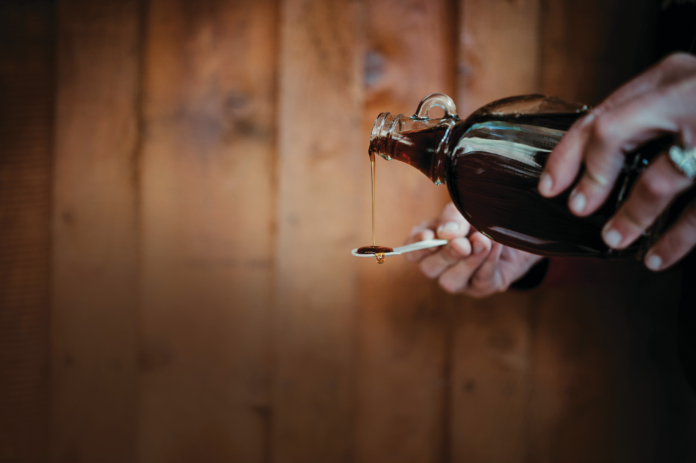

Tucked into the Allegheny Mountains along the West Virginia border, Virginia’s Highland County is home to 10 working sugar camps where the sap from sugar maple trees is collected and boiled into liquid gold. The camps operate seasonally, relying on the freeze-thaw rhythm of late winter to coax the sap from the trees.
Since 1959, visitors have flocked to the annual Highland County Maple Festival to witness the “opening of the trees,” to see how sap becomes syrup and to celebrate a way of life that hasn’t changed much in generations. March marks the festival’s 66th year, when upwards of 60,000 visitors are expected in the town of Monterey and the surrounding area. The 2026 festival is scheduled for March 14-15 and March 21-22.
As I began planning a visit in 2025, I realized there was far too much going on for just one day, so my son Max and I made a weekend of it. We drove down from Ashburn, visiting five sugar camps on Saturday, overnighting in Staunton (lodging in Highland County is limited) and continuing our sticky-sweet adventure on Sunday.
The moment we turned off Interstate 81 in Mount Crawford and headed west, leaving the tractor trailers behind, I felt a sense of calm. The road meandered through misty valleys, past red barns and rolling ridges. The farther we drove, the more the noise of modern life faded away.
Highland County is a place where cell service wanes and conversation comes easy. On festival weekends, the air carries a faint sweetness. That sweetness, of course, comes from the county’s sugar maple trees.
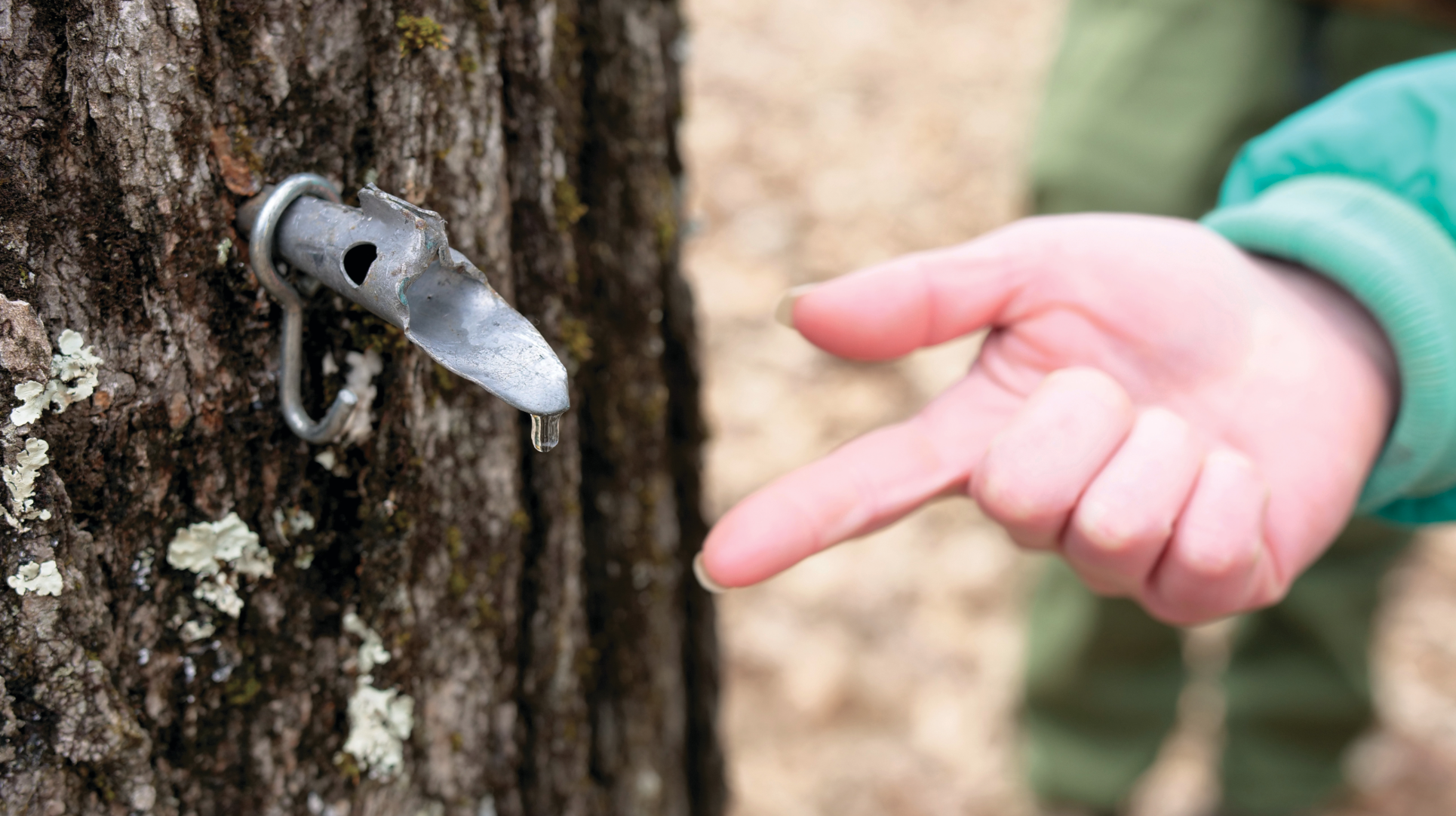
In late winter, warm days (above freezing) and cold nights create pressure inside the trees, causing sap to flow. Producers drill small holes and insert taps to channel the watery sap—which is nearly clear—into buckets or plastic tubing. To turn it into syrup, the sap is boiled for hours until most of the water evaporates, leaving behind pure maple sweetness.
It takes about 40 gallons of sap to produce one gallon of syrup. Flavor depends on many factors, from the heat source used to boil the sap to the time in the season when it’s collected. Early-season syrup tends to be lighter and milder, while later batches are darker and richer.
“Winter can be pretty slow here. The festival opens up the spring season for us. There’s an energy in the air,” says Chris Swecker, executive director of the Highland County Chamber of Commerce. “It’s a way of life that is just not around anymore, the small-town, community-oriented festival.”
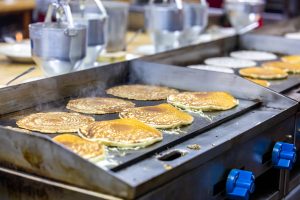
Arriving in Monterey around 10 a.m. on opening day, we made a beeline for a fundraiser at Highland Elementary School, where volunteers flipped pancakes by the dozens while lines of hungry supporters snaked down the hallways. The smell of sizzling batter and warm syrup made the hourlong wait feel like a prelude to something special.
Festival map in one hand, fork in the other, we sketched a plan to visit every sugar camp. Most of the 10 working camps open their doors only during the festival’s two weekends each year. Some are sleek and modern; others are rustic, still simmering sap over wood fires in century-old pans.
We started by heading to Claire’s Cakes & Café on West Main Street for maple lattes. On one wall, a wooden hutch reserved for the “Mug Club” held cups marked with the first names of their owners: Margie, Susan, Lucia. Regulars simply grab their mug whenever they stop in for a cuppa.
Our first syrup-tasting stop was Mill Gap Farms, where gleaming stainless steel evaporators boiled maple sap. The guide explained that Mill Gap is Virginia’s only producer of certified organic maple syrup. In addition to bottling its own syrup, the farm also produces flasks of Farm Stand maple syrup, a label created to help smaller farms bring syrup to market.
From there, it was a short drive to Duff’s Sugar House at Fair Lawn Farm in Monterey, run by Tim and Terry Duff, who celebrated their 20th year welcoming festival visitors in 2025. By early afternoon, the full-size flasks were sold out, but I was able to snag a petite souvenir bottle.
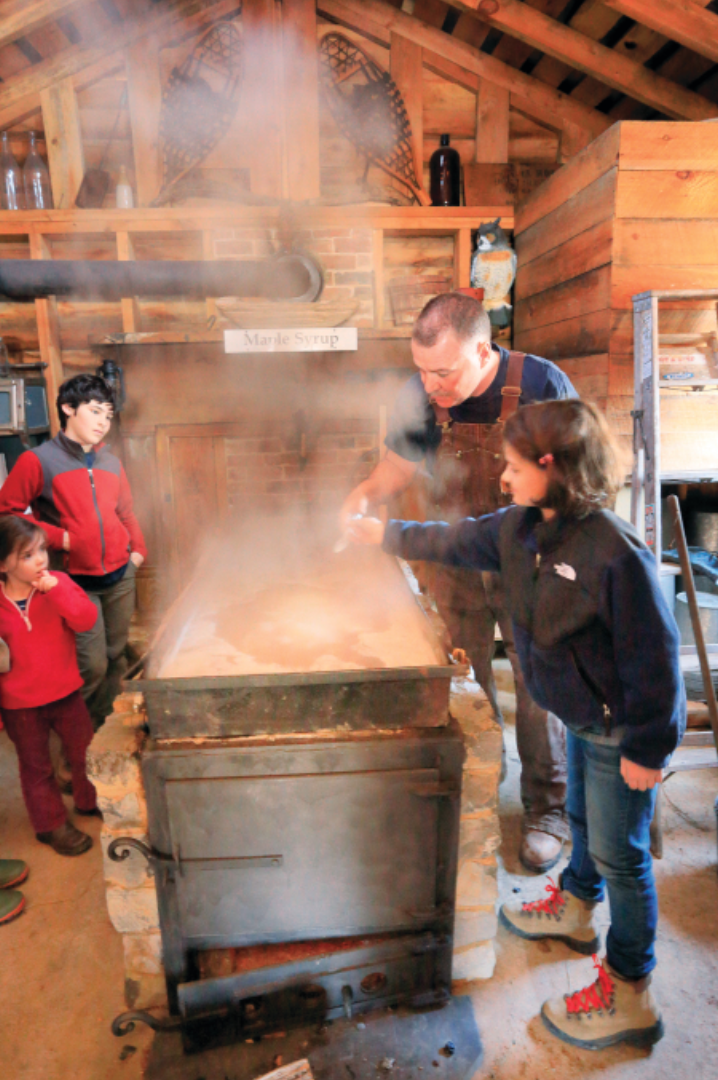
Unlike most camps, Duff’s proudly keeps things old school. Wood fires crackle beneath open pans just as they did in the 19th century. There’s a reason for this allegiance to tradition. “If one of the camps doesn’t continue doing it the old way, in another generation or two it’ll just be something you have to read about,” Tim Duff says.
Duff’s process is hands-on and intentionally slow. “We get the kids and parents involved. They actually feed the fires. They skim the syrup for us. We have a very, very interactive sugar house,” he explains.
Last year, Duff’s produced about 50 gallons of syrup, each imbued with flavor only patience can create. “We don’t want to do fast cooking. We want our syrup to linger, which allows the sugars to fully develop their flavors,” he says. “There’s more depth of flavor in a pan-cooked syrup.”
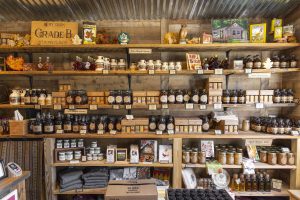
By lunchtime, we were fully immersed in Highland County’s maple magic. At Back Creek Farms in Monterey, a taco truck parked out front lured hungry visitors. Inside, a sweet haze hung in the air. Samples of a dozen syrups lined a metal tray—each slightly different, depending on when the trees were tapped and how long the sap simmered. The adjacent shop offered bottles of syrup, cookbooks and four-packs of maple stout.
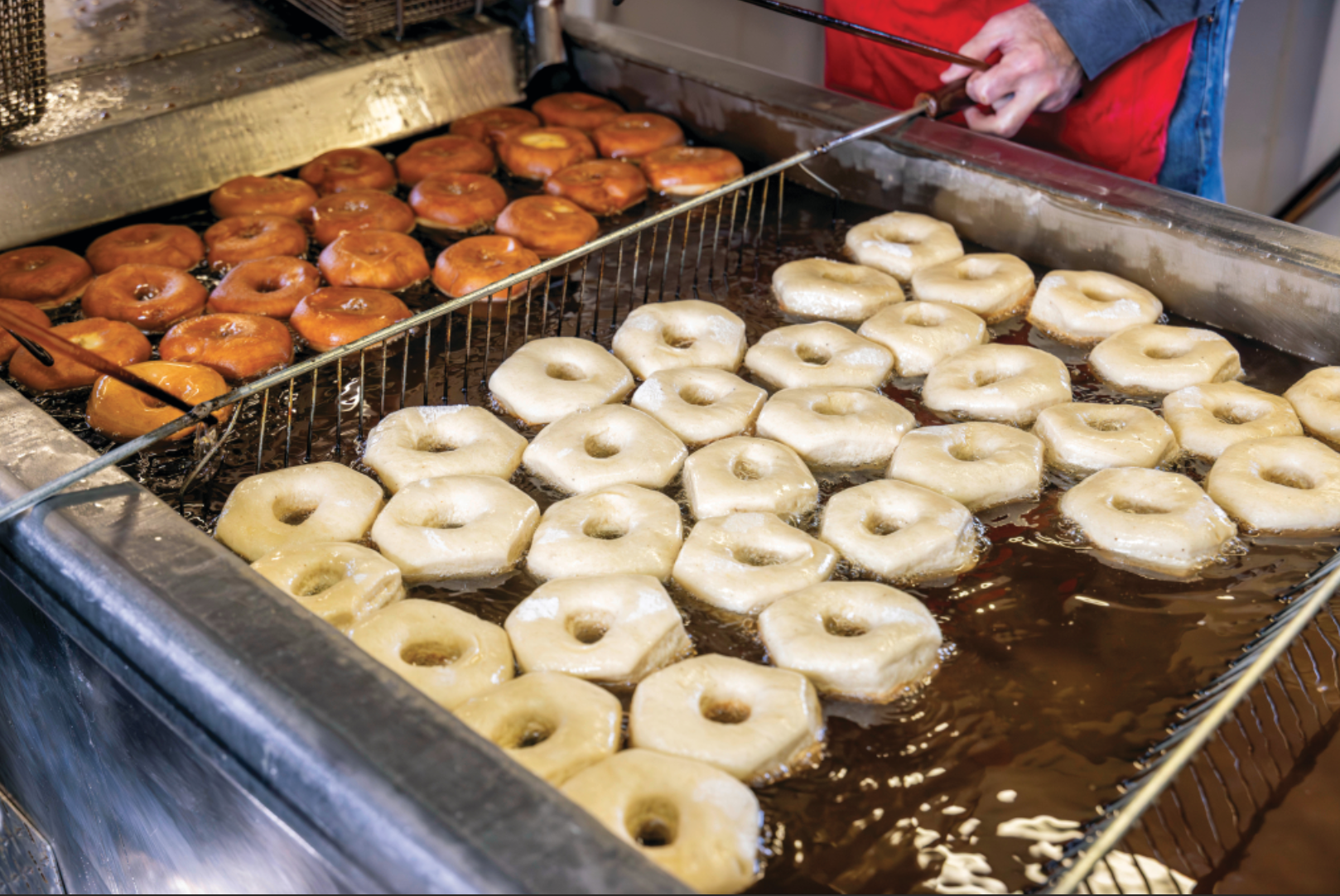
Before the day ended, we visited Townsend Draft Goods in Monterey, a new shop devoted to balancing “spirit and health.” That’s where I discovered Sap! maple soda, a sparkling beverage made from the sap of maple and birch trees. We then ventured to Southernmost Maple in Bolar, complete with a barbecue truck and, blessedly, indoor restrooms. Our last stop, the Sugar Tree Country Store in McDowell, was alive with outdoor vendors selling kettle corn and maple doughnuts.
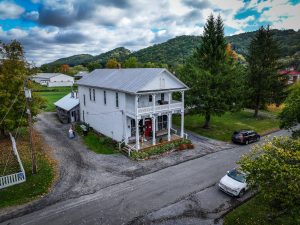
By 8 a.m. on Sunday, we were back on the trail, first to Tonoloway Farm in McDowell, Highland County’s only producer of black walnut syrup, a darker, more robust cousin of maple. Then came Puffenbarger’s Sugar Orchard in Blue Grass, where plastic tubing zigzagged among the trees, collecting precious maple sap. Inside, volunteers sold hot dogs and snacks to grateful guests.
At Rexrode’s Sugar Orchard in Monterey, we stepped into living history. Operated by the same family for six generations, the small, steamy sugar house radiates heat and nostalgia. The syrup here carries a faint smokiness from the wood fire. A taste of the past is preserved in every pour.
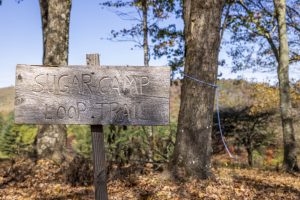
Laurel Fork Sapsuckers in Hightown blends innovation with tradition. The sugar camp sits behind a snack shack famed for its maple BLTs, a sweet-savory pileup of crispy bacon, lettuce and tomato with a drizzle of maple syrup. After the first bite, I understood the hype. Behind the shack, a wooded interpretive trail offered glimpses of the now-familiar plastic tubing crisscrossing the trees like translucent veins.
“Our goal is to educate people. It is very important to us that when you come to our sugar house you learn something and you have a new appreciation for maple syrup and how it’s made,” says Missy Moyers-Jarrells, a third-generation producer and events manager for the sugar camp.
Laurel Fork Sapsuckers makes about 300 gallons of syrup annually, including a handful of infused syrups—elderberry, cinnamon, vanilla, cinnamon-vanilla (which tastes remarkably like French toast), and even wild blueberry.
“Every July, my mom and I go out and pick blueberries [on the farm] to freeze and use for pies,” Moyers-Jarrells says. The blueberry syrup was an experiment that became an instant hit.
The farm has since added bourbon barrel-aged syrup and maple vinegar to its lineup. “It’s trial and error,” she says, already dreaming up a hibiscus-infused maple syrup.
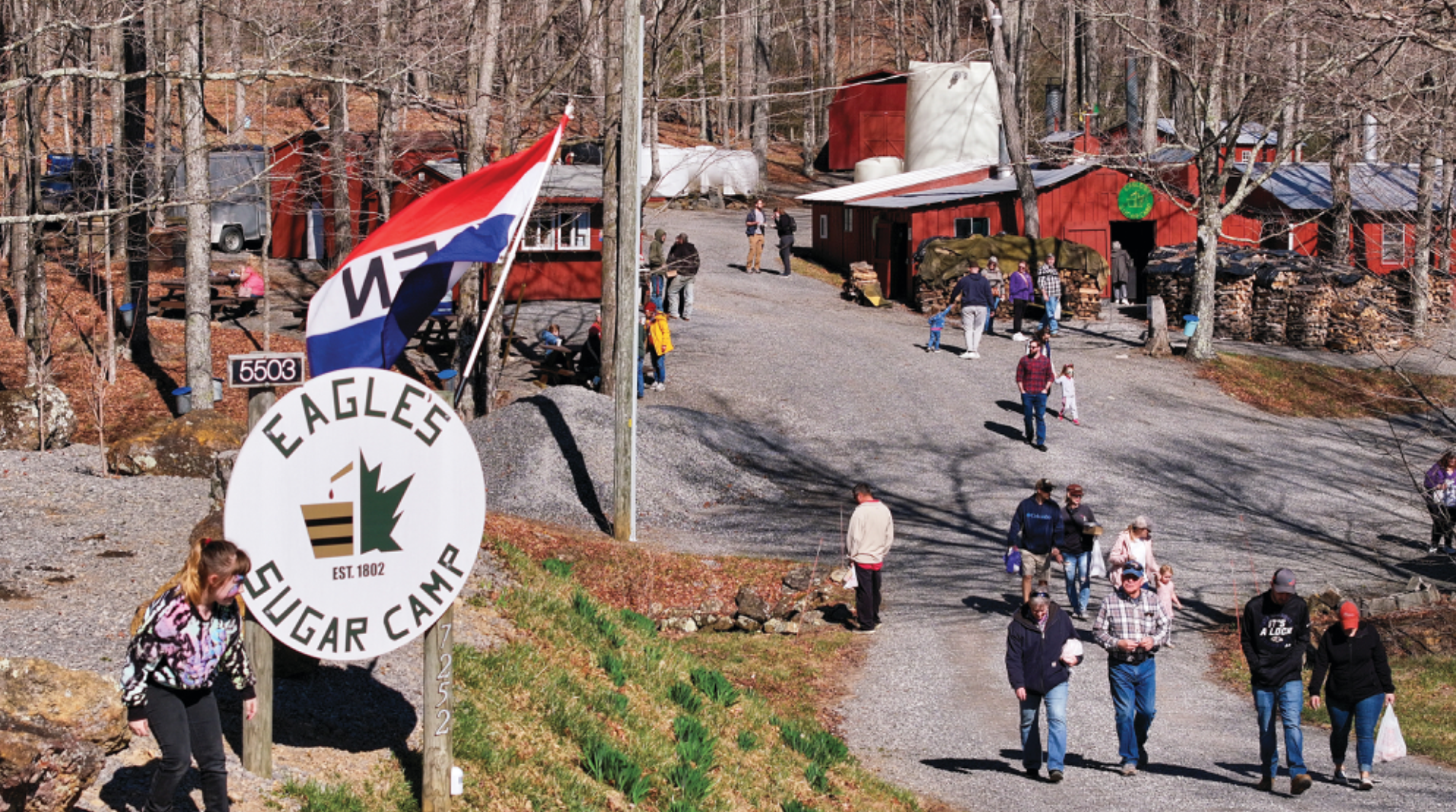
We made one last stop at Eagle’s Sugar Camp in Doe Hill, home to a small outdoor hut serving warm maple doughnuts. Outside, metal pails clung to tree trunks, quietly filling with sap.
Back in Monterey and McDowell, the festival buzzed with small-town energy. Grassy lawns overflowed with more than 100 regional artisans and crafters, their booths offering everything from hand-knit scarves to maple cotton candy. At The Highland Center in Monterey, twangy bluegrass music filled the air.
“We have a rural charm and hospitality,” says the Chamber’s Swecker. “If people can take that away with them, then that’s a win. The real measure of success is if everybody’s having a good time, and you just see the smiles on people’s faces.”
By Sunday afternoon, my son and I had sampled and stocked up on enough maple syrup to last the year. But beyond the sugar rush, the experience also provided a glimpse into the soul of Highland County. Home to about 2,300 residents, it is Virginia’s smallest county by population, though its heart feels remarkably large. As we motored north along the interstate, back toward the familiar hum of suburban life, I found myself reflecting on what makes the place so special.
Highland County isn’t just about maple syrup. It’s about preserving tradition, supporting local makers and celebrating the simple rewards of hard work and community.
Where to Eat, Drink & Stay
Each March, this western patch of the commonwealth springs alive for the Highland County Maple Festival. Lodging in this rural part of the Allegheny Mountains is limited, so plan ahead.
Book early at the Monterey Inn, a beautifully restored 1905 Victorian with just five guest rooms in downtown Monterey. Each room offers a plush bed, luxe bathrobes, and inviting views. Guests are treated to a daily breakfast. Think stuffed French toast and hearty frittatas.
If the inn is full, make your base 45 miles southeast in Staunton at Hotel 24 South. Opened in 1924 and restored in 2005, this 124-room landmark pairs vintage elegance with modern comforts. Expect pillow-top mattresses, a well-equipped fitness center and a heated indoor pool, along with a relaxed lounge serving casual bites and handcrafted cocktails.
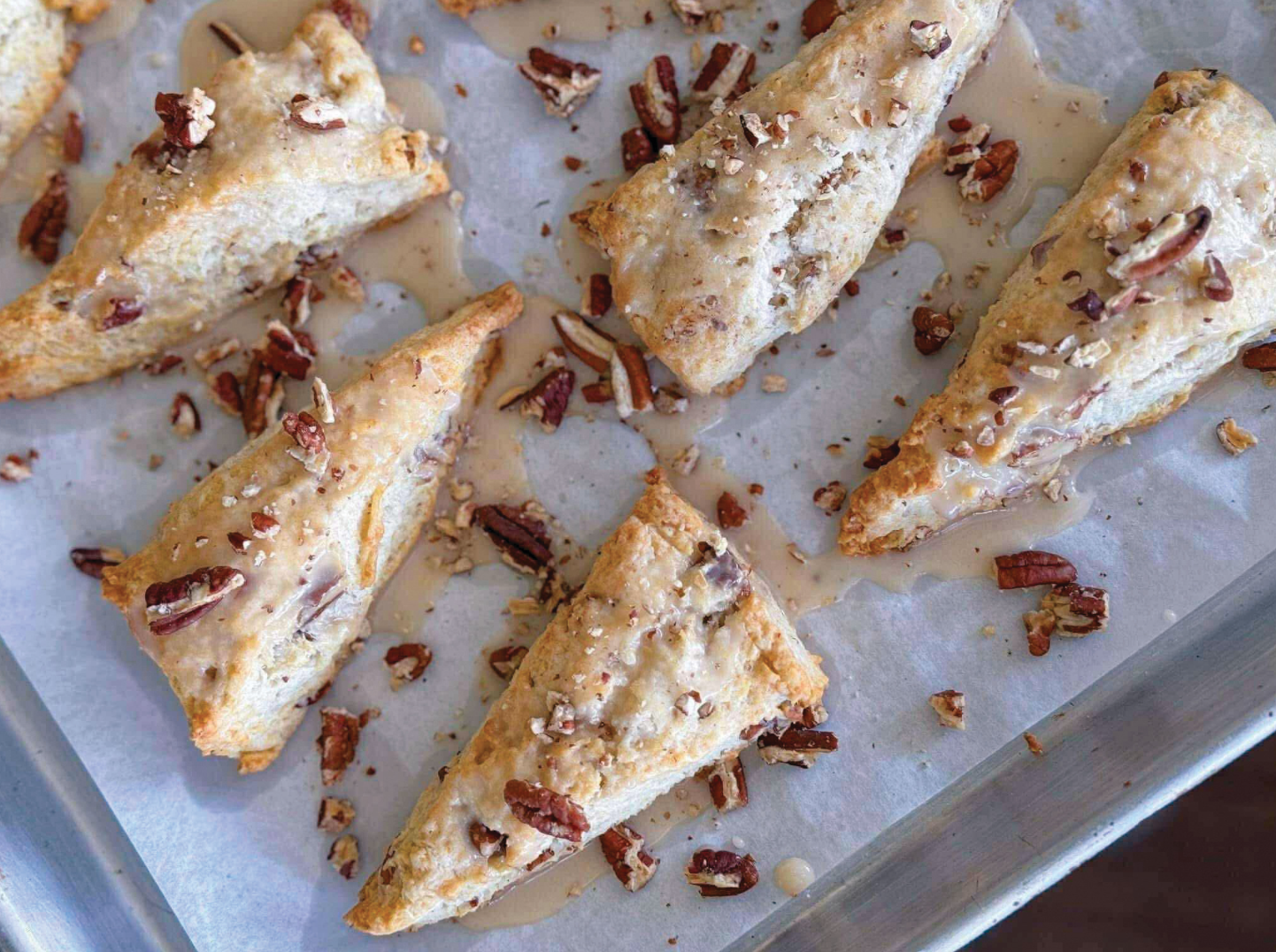
For breakfast or a light lunch, Claire’s Cakes & Café on Main Street in Monterey satisfies with signature breakfast sandwiches and housemade quiche. Across the street, The Curly Maple wins fans with maple lattes and warm pastries.
High’s Restaurant a hometown favorite since 1934, serves comfort fare such as fried trout and country fried steak. The Highlander is another reliable spot for lunch or dinner, with favorites such as pizza, subs and fried chicken.
Cap off the day at Big Fish Cider Co., where crisp hard ciders are made from local apples. Try the Allegheny Gold, a sparkling semidry cider that captures the sweet heritage of Highland County.
Ashburn-based travel writer Erin Gifford enjoys spending her free time on the hiking trails, often turning her outdoor adventures into stories that encourage others to get out and explore.