After a roller-coaster history, the seaside city of Asbury Park, N.J. is back on top. And my extended family was along for much of the ride.
My father grew up there, and as a teenager in the 1940s worked summers at Palace Amusements, next door to my grandparents’ luncheonette. With a starting salary of 25 cents an hour, he ran the penny arcade, graduating to jobs at the Ferris wheel, magic carpet ride and fun house. He knew and loved the city inside and out.
I was born in nearby Neptune Township, and although we moved to Philadelphia when I was 3, my childhood summers and holidays were spent visiting relatives in Asbury. We’d play hours of Skee-Ball, jump waves in the ocean and eat fried clam strips at Howard Johnson’s.
Fast-forward several decades to a weekend last summer when my two brothers and I headed to Jersey. Much has changed in Asbury since we were kids. Together, we experienced its revival as a hip, walkable beach town with hopping music venues, good restaurants and breweries, and a lovely boardwalk. In short, we had a blast.
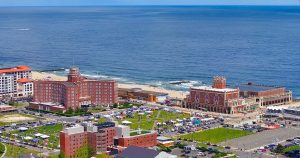
Founded in 1871 by James A. Bradley, a New York City brush manufacturer who named it after Methodist Bishop Francis Asbury, the city would flourish. Broad tree-lined avenues, grand hotels, amusement pavilions, and three pretty lakes made it an appealing summer sojourn. On the boardwalk, elegantly dressed women strolled with their parasols past the majestic Casino and Convention Hall complexes, both built in the late 1920s and designed by the architects of New York City’s Grand Central Terminal.
By the 1970s, however, Asbury Park became a decaying ghost town due to a host of factors, including civil unrest, mismanaged city government, crime, drug trafficking and the transfer of patients from state psychiatric hospitals to the city’s boarding houses. The growth of shopping and entertainment destinations in the suburbs also drew visitors away.
The city experienced an urban renewal about 20 years ago, jump-started by the region’s gay population. Pricey condos and renovated Victorians replaced the grand old hotels. The historic Steinbach department store—where Grandma used to buy our birthday gifts (and which closed in 1979)—now is home to businesses such as the Asbury Ale House, with loft-style apartments above. The HoJo’s has been transformed into The Robinson Ale House, serving fresh littleneck clams, not the fried ones. Asbury Lanes, where we used to go on rainy days, has become a cool concert venue with a modern on-site diner serving boozy shakes, though you can still go bowling, as six lanes remain.
Some things have stayed the same. Madam Marie’s, the longtime fortune teller booth on the boardwalk, endures. Starting in 1932 until her death in 2008, Marie Castello was a psychic fixture, befriending a young Bruce Springsteen who would later immortalize her in his song “4th of July, Asbury Park (Sandy).”
We stopped by to find Sabrina Castello, Marie’s granddaughter, holding court inside the same small booth. We passed on the palm reading, despite assurances from Castello that patrons come back to confirm her predictions. (According to the condolences Springsteen wrote on his website after her death, Marie had predicted that his future looked pretty good.)
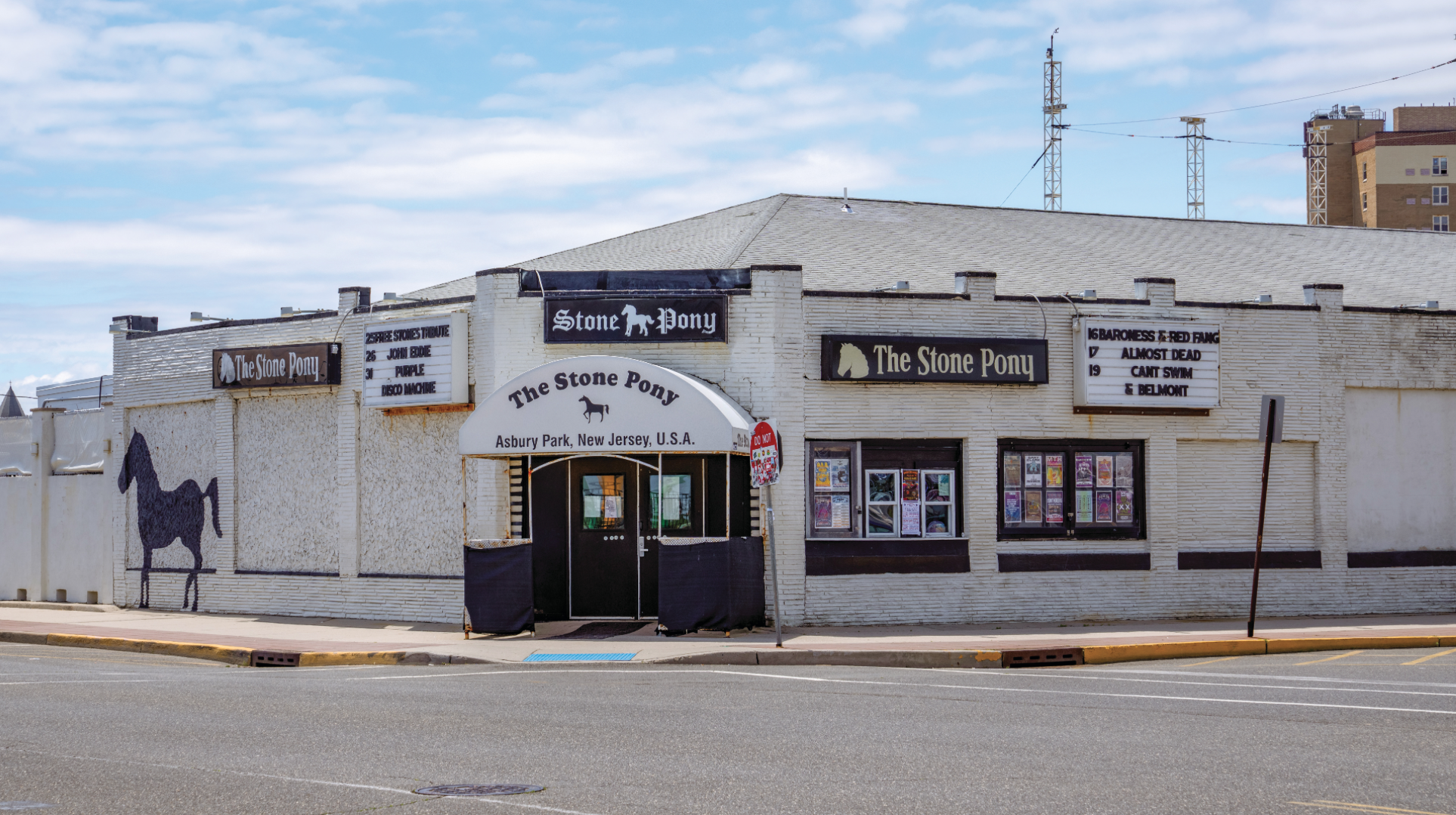
Speaking of the Boss, die-hard fans may want to drop by Frank’s Deli & Restaurant, the diner that opened in 1960 where scenes for the 2025 movie Springsteen: Deliver Me from Nowhere were filmed. And, of course, there’s The Stone Pony, the launch pad for Springsteen and bands such as Southside Johnny and the Asbury Jukes, which is alive and well after 52 years in business.
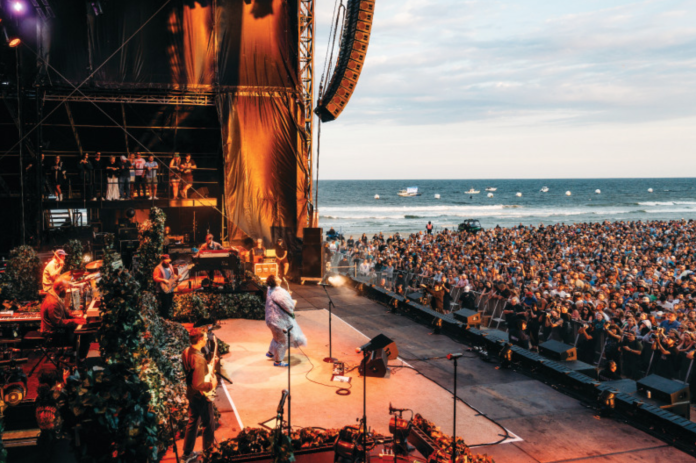
The Stone Pony may be Asbury’s most well-known club, but there’s live music to be found in a handful of other venues, not to mention gigs in restaurants, hotels, parks and on rooftops. The crowning glory is the Sea.Hear.Now Festival, an annual two-day music, art and surfing fest. This year, the oceanfront event will feature more than 25 bands on Sept. 19 and 20.
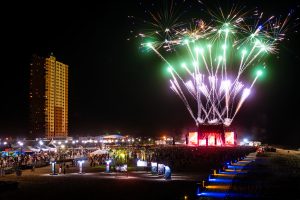
Asbury has been a serious music mecca from its earliest days. Ragtime, gospel, jazz, and rhythm and blues took hold in the city’s Black community, with homegrown talent and well-known performers such as Count Basie and Billie Holiday performing in clubs on the West Side. A major effort has been underway, through organizations such as the Asbury Park African-American Music Project, to preserve and revitalize this rich legacy—including the ongoing renovation of Springwood Avenue’s historic Turf Club. In the meantime, the AP-AMP holds free summer concerts at Blackbird Community Commons.
Palace Amusements, where Dad worked long ago and where we’d go as kids to collide on the bumper cars, is gone. The complex, built in 1888, was demolished in 2004, and Tillie, the creepy-to-me fun house face that famously identified the building, was put in storage. Today, a Tillie replica graces the exterior of the Wonder Bar, a live music venue near the boardwalk with a doggie “yappy hour.”
The Beaux Arts Casino is now just a shell, but we were happy to see the beautiful carousel building intact, albeit empty. The Wooden Walls Public Art Project, a collection of striking murals created by local, national and international artists, adds brightness to Casino area structures and to the Sunset Pavilion on the north end of the boardwalk.
View this post on Instagram
Speaking of which, there are many nice eateries and shops on the boardwalk, along with still unrealized potential. Boardwalk development rights belong to one company, which has come under fire by city officials and others for falling short on its obligations to develop and maintain the historic properties. The Casino, Paramount Theatre and Convention Hall exhibition center all remain closed due to structural and safety concerns.
Still, Dad would be overjoyed at the mammoth progress. An eternal optimist, he’d often say “someday it’ll come back,” even during Asbury’s darkest times. Dad, you were so right.
Things to Do
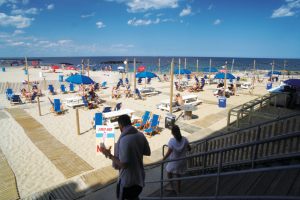
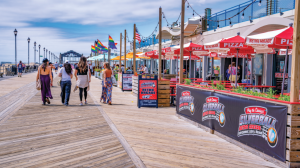
With its music scene and eclectic sensibility, Asbury Park is a draw for teenagers and adults alike. By day, the wide beach (passes required) attracts families. And while there are no rides or amusements on the boardwalk, there’s a splash park, mini-golf, a small beach playground, and the must-visit Silverball Retro Arcade, with more than 150 pinball machines and other games, including Skee-Ball. Off the boardwalk, kids will love to ride on a swan-shaped pedal boat on Wesley Lake, a pastime that has thankfully been restored.
Rockers of all ages should head for the Transparent Clinch Gallery, a combination art gallery, store and pop-up music venue. Showcasing the decades-long work of photographer Danny Clinch, it contains wall-to-wall shots of dozens of his subjects, ranging from Springsteen to Bob Dylan, Brandi Carlile, the Foo Fighters, the Beastie Boys and many more.
View this post on Instagram
The small gallery also hosts periodic performances with touring and local artists, and famous past subjects are sometimes known to just drop by. A couple of weeks before we visited, Jackson Browne sang “Running on Empty” for the nine people in the gallery at the time.
For literary and history buffs, Asbury Park’s Stephen Crane House offers a peek into the rebellious and bohemian author of The Red Badge of Courage, who lived there for part of his short life. Built in 1878, the home—on the National Register of Historic Places—also houses the headquarters of the Asbury Park Historical Society, to which my brother Joe donated more than 2,000 of Dad’s vintage Asbury Park postcards in 2013. They’re apparently in storage, but you can explore other displays about the city, such as dramatic photos of the SS Morro Castle, the luxury cruise ship that tragically caught fire off the New Jersey coast on its way from Havana to New York in 1934. It eventually beached next to Asbury’s Convention Hall.
Cookman Avenue offers a funky mix of independently owned clothing and furniture shops, a couple of souvenir venues, art galleries, and a packed antiques emporium. Don’t miss Paranormal Books & Curiosities, where the extensive reading material is organized by topic—afterlife, miracles, dreams, divination, etc. The shop also houses The Paranormal Museum, which can be toured by appointment only. You can sign up for a ghost tour, too.
On the boardwalk, the arcade area in Convention Hall now houses tchotchke vendors (think “Born to Run” sweatshirts for toddlers), a coffee shop, seafood restaurant and gelato parlor.
Where to Eat, Drink & Stay
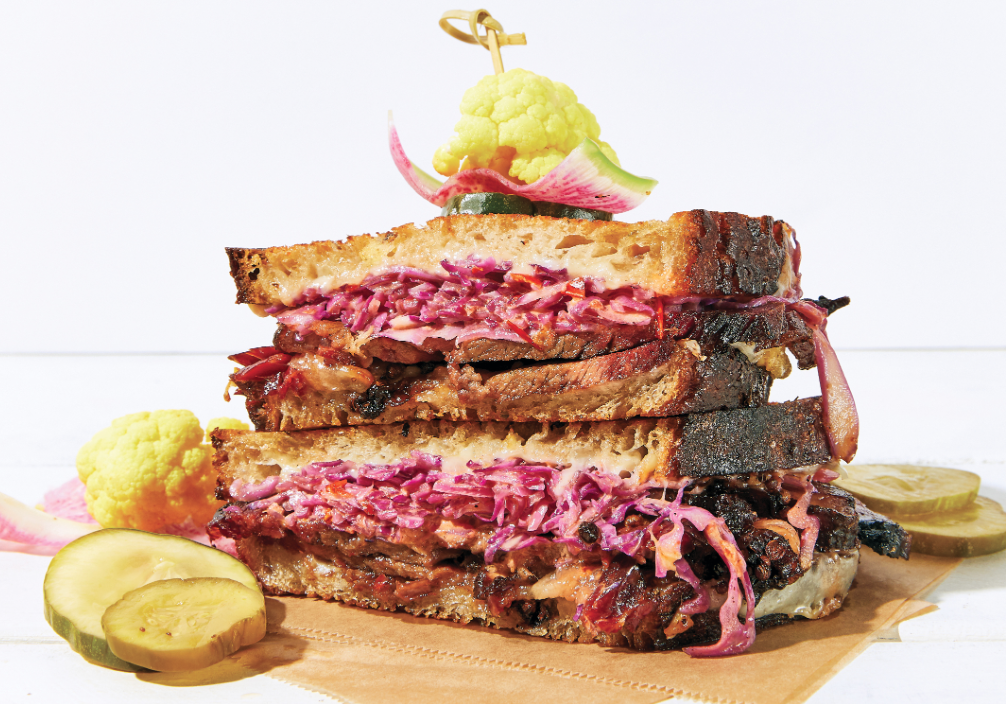
For downtown eating, the area around Cookman and Bangs Avenues is filled with options. Cardinal Provisions serves a near perfect version of home fries, and dog lovers will delight in the dachshund-shaped salt and pepper shakers. Toast is a perennial brunch and lunch favorite, offering everything from carrot cake pancakes to whipped ricotta toast. For pizza, visit cozy Talula’s, which uses a sourdough starter for its crusts, or Catbird, which is not downtown, but overlooks delightful Deal Lake.
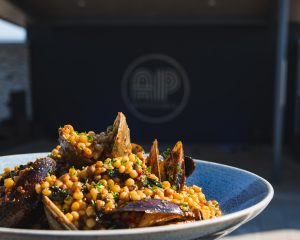
As for the boardwalk, an enclave of eateries owned by McLoone’s Restaurants, a New Jersey group founded by musician, philanthropist and sportsman Tim McLoone, dominates the Fifth Avenue Pavilion. The casual Iron Whale and The Robinson Ale House are two good bets with something-for-everyone menus, and for Mediterranean chic, McLoone’s newest restaurant, AP Rooftop on the third floor, has a great view and vibe. Also on that third-floor beach and boardwalk overlook: the Arthur Pryor Bandshell, which stages summertime concerts.
Another newcomer getting a big buzz is Judy’s, opened in 2025 in the boutique St. Laurent Social Club. Helmed by Top Chef competitor and four-time James Beard nominee David Viana and his business partner, Neilly Robinson, Judy’s—named after Robinson’s mother—is Italian with some Jewish genes (e.g. ricotta matzo ball soup with dill pistou). Even a simple lunchtime salad with grilled shrimp was terrific.
For grab-and-go sweets, Confections of a Rockstar, opened by a female former drummer, makes a gigantic iced cinnamon roll and a soft chocolate chip cookie that three can share. At Cookman Creamery, get the lemon poppy seed ice cream if it’s available; brother Joe is still dreaming about the citrusy treat.
My brother Steve would point you toward late afternoon at the Asbury Park Brewery, where you can enjoy a refreshing Blonde lager or Sea Dragon IPA in a cool, low-key setting, before the evening bands and crowds arrive. The Asbury Park Distilling Co., the city’s first and only distillery since Prohibition, operates a small tasting room and produces artisanal spirits including espresso limoncello and an amaretto-like liqueur the company calls Pisam.
Asbury Park has some distinctive high-end hotels. You’ll find Beaux Arts charm, many amenities, and a guest history that includes Marilyn Monroe, Frank Sinatra and Judy Garland, at the Berkeley Oceanfront Hotel, opened in 1925. For a smaller hotel, also with a history, the boutique St. Laurent Social Club, operating as an inn since 1886, offers a casual but chic stay. Located on a quiet residential street, the walk-up has 20 rooms, each with a custom-designed bed that folds up and reveals a couch underneath. The first level is home to a handsome bar called Harry’s, a fabulous restaurant (see Judy’s, above) and outdoor pool.
Hipsters will love The Asbury, with its lobby bar/live music venue, rooftop cantina, rooftop movies, pool parties and Scandinavian-style accommodations, including rooms with bunk beds. The sophisticated Asbury Ocean Club Hotel, tucked inside the 17-story Asbury Ocean Club residences, offers 54 rooms on the fourth floor. Hotel guests and residents share use of the facilities, including a restaurant, spa, fitness center, pool, and terrace overlooking the ocean.
Carole Sugarman is a longtime writer living in Chevy Chase, Maryland, who still loves to play Skee-Ball.