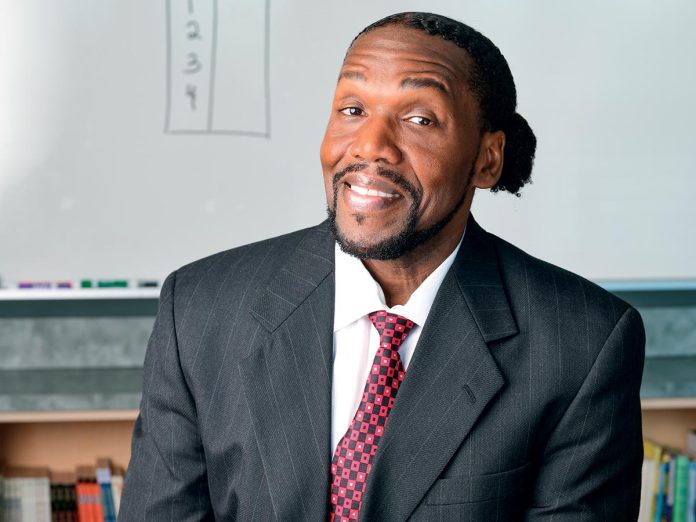
Robin Stewart
7th Grade Math Teacher
Kenmore Middle School
Years Teaching: 26
Stewart is an inventor as well as a teacher, with eight patents to his name. The first, which he developed after a friend died in a motorcycle accident, is clothing with integrated turn signals on the back for visibility. Other inventions include mental health platforms for teens and young adults. He was named Arlington Public Schools’ 2026 Teacher of the Year.
- Students today have more needs than the kids of yesterday, and some teachers find that overwhelming. You have to be willing to take in a lot.
- As a math teacher, I like to say your life is like a proportion. What you give is directly proportional to what you get.
- No significant learning takes place without significant relationships. That’s been my motto. We had four kids who had to retake the SOLs because they didn’t pass the first time. I got some teachers together, and we promised the students breakfast if they came in for a Saturday morning study session. We had eggs, sausage, bacon, pancakes, and they just locked in. Most of them passed the second time. Sometimes they just need that extra push, seeing that someone cares for them.
- Math is in all aspects of life. Maybe you’re going shopping and you want to get a discount. Everything is math related.
- Seventh grade is a midway point when kids really develop their sense of right or wrong. I think you are more influential as an educator at seventh grade.
- If you go into teaching and accept your life experiences as the only foundation, you don’t have room for learning and exploring and trying to at least engage with other perspectives. Then you’ll ultimately burn out.
- Students today don’t really talk with one another. They’re so caught up in what they’re seeing on their phones that they don’t know how to communicate, how to have a conversation. Establishing that community in a classroom shows them there’s more to life when you can connect to other humans.
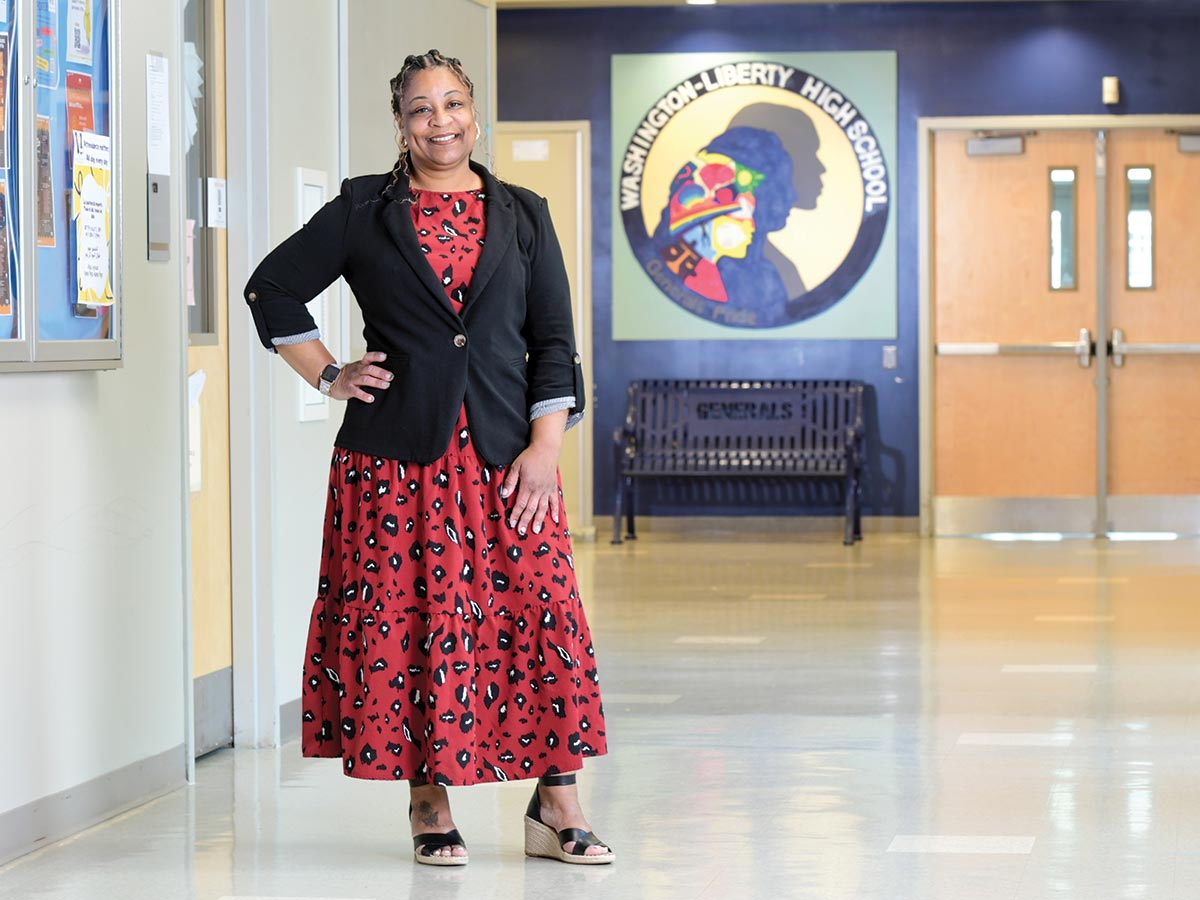
Timica Shivers
Assistant Principal
Washington-Liberty High School
Years in education: 19
An Arlington native and APS’ 2026 Assistant Principal of the Year, Shivers taught math for 15 years before becoming a high school administrator. She previously worked in banking and real estate, but says her lifelong dream was to become a teacher.
- Kids have no filter. They’re fun. By high school they’re self-sufficient, they’re receptive to correction and there are all different types of personalities in one room.
- Teaching this age is a lot more than teaching. You’ve got students who have fully formed or almost-formed personalities. Their sense of humor is top notch. We’re not just teachers; we’re parents, we’re confidants, we’re trusted adults, we’re sometimes psychologists, sometimes doctors.
- It’s a joy being able to teach them how to think. To have those deep, meaningful conversations about life, about math. Teaching them how to think analytically, how to think critically, how to look beyond the now and consider the repercussions.
- For teachers, it’s important to make sure you’re filling your own cup and have work-life balance. You can’t pour from an empty cup.
- I lead from a mother lens when I’m talking to students and their families. It makes those hard conversations possible. I’m letting the parents know: I had teenagers. I get it. The difficult conversations will always be difficult, but when you establish that trust, those on the receiving side are more open.
- The best part of this job is knowing that what I do every day makes a difference. It’s rewarding to know students see me as a trusted adult, as somebody who is going to listen. I may offer feedback they don’t want to hear in the moment, but it’s authentic feedback.
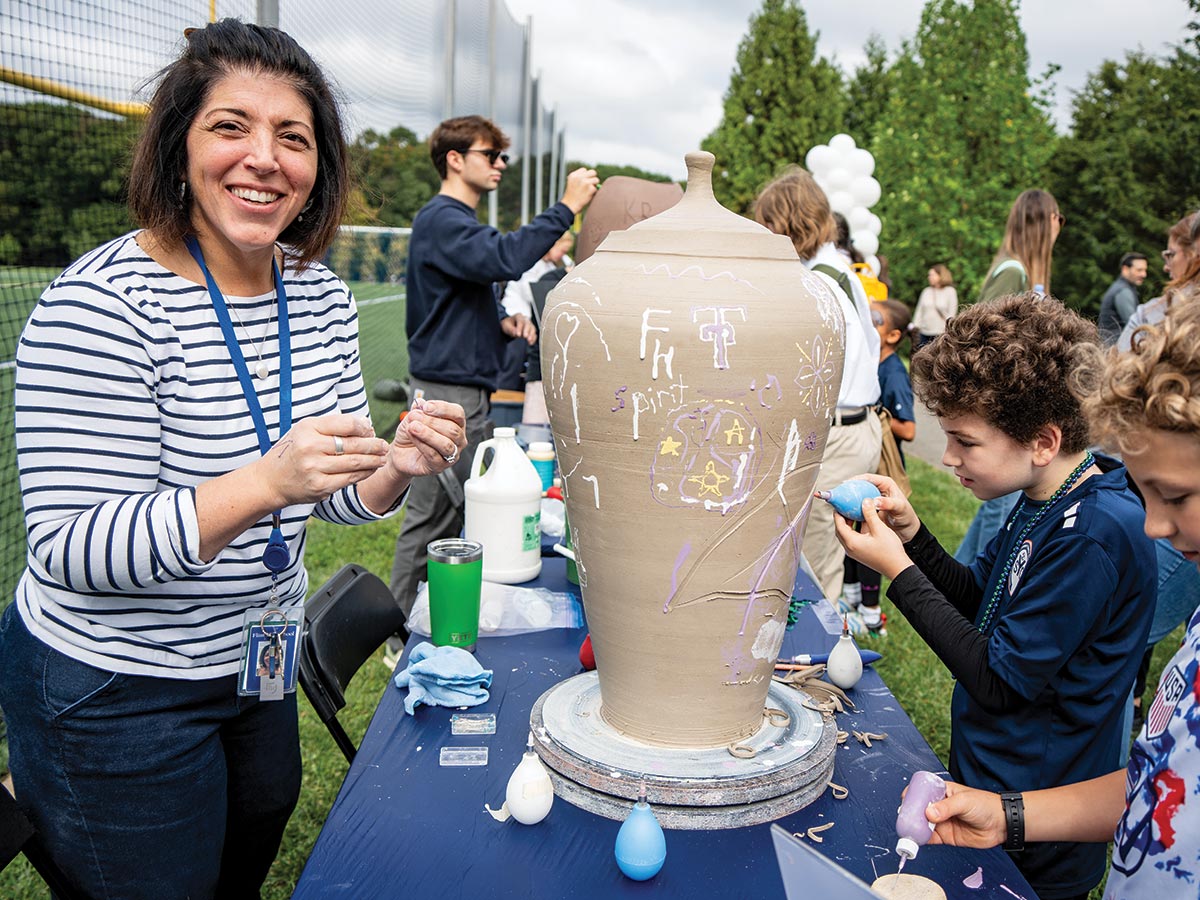
Julia Cardone
Upper School Ceramics Teacher
Flint Hill School
Years Teaching: 26
A working artist, Cardone has done glass blowing and now ceramics. She teaches an AP course in three-dimensional design and runs the ceramics program at Flint Hill. In 2025, she received an outstanding innovator award from the Virginia Association of Independent Schools.
- I want to introduce students to the life of an artist and a working studio. They’re not going to walk into this space and only experience commercial glazes. We’re going to talk about the chemistry behind clay and glaze; how artists function with their equipment and materials; the magic of creating and succeeding throughout all these difficult processes.
- Mud and fire pulse through my veins. I am high-frequency joyful about the life of a ceramic artist. The students and their energy have an impact on my studio time as well. I get to make a lot of mistakes and get better every year.
- You start by introducing kids to this basic, malleable, soft material that’s going to transform into stone-like objects and live, potentially, for millennia.
- Studio art teaches us resilience. Ceramics will humble you instantly. The medium requires patience. Students are taking away the confidence that comes from practice, failure, continued practice, success.
- I try to embrace the moments where things fall apart and share that with the kids. Maybe it’s taking that “happy accident” and turning it into something more decorative or gestural, or “Oh, look at that interesting curve that came from the point of collapse.” Technical ability is important and they need to learn how to throw well, but being open is also a skill. I don’t want them to be so restrictive and tight that they can’t embrace the magic that happens when everything goes wrong—the learning that happens in those moments.
- They might never take another wheel class with me, but what they’ve learned doesn’t go away. It’s like our bike moments—we know how to ride. We can stay away from it for 20 years and get right back on it.
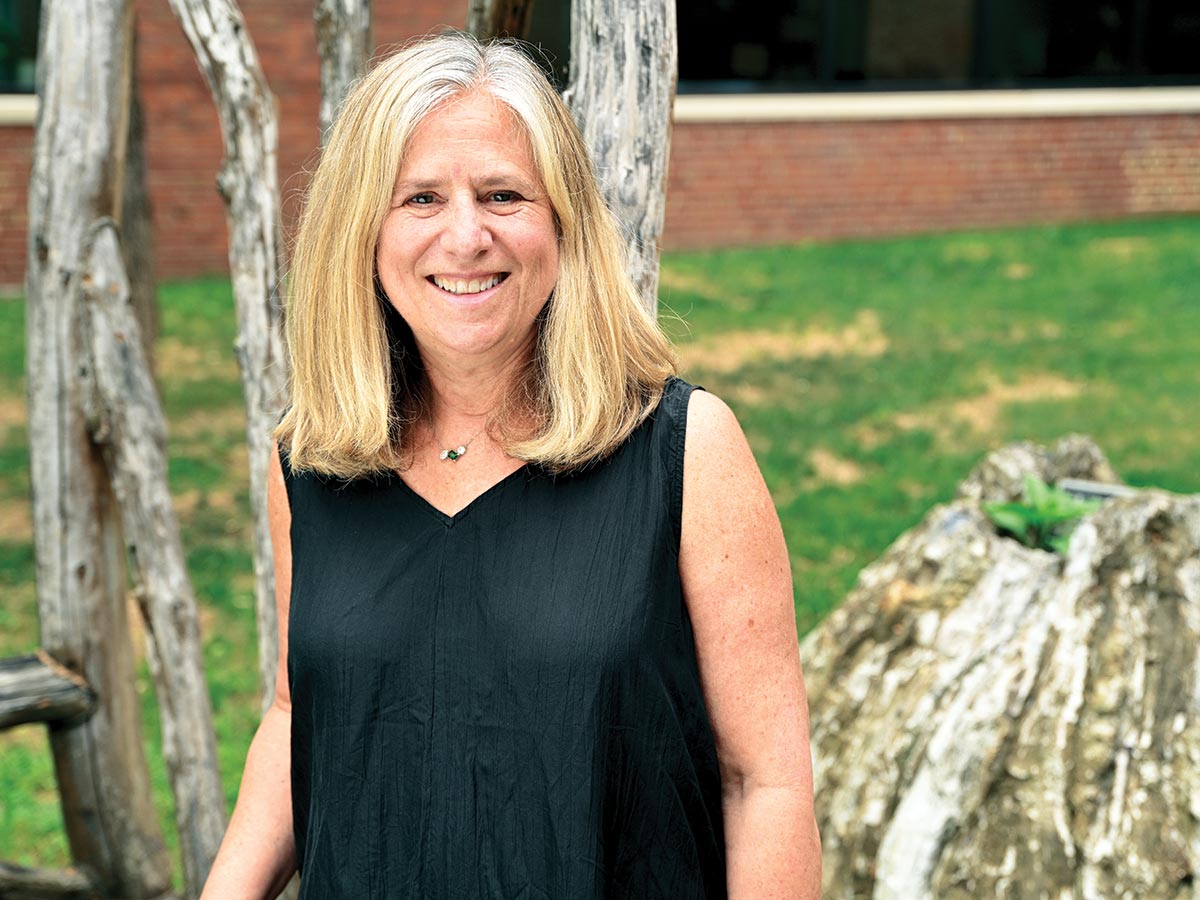
Miriam Schimmoller
3rd Grade – Collaborative Teacher Leader
Oak Street Elementary
Years Teaching: 28
Schimmoller taught in an International Baccalaureate program in Texas before moving to Virginia 12 year ago. The combination of a college degree in human development and the example of her father, a professor at Lehigh University, drew her to teaching. In 2025, she was named Teacher of the Year by The Washington Post. She retired in July.
- Third graders have a lot of skills. They are just figuring out they can learn independently through their reading. When you know someone at 8 years old, you know their core.
- Technology is amazing, but we don’t want to use it in a way that denies kids the opportunity to dig into the building blocks of learning.
- Agency is the magic word. There’s not a job in the world that people don’t embrace in a happier way if they have voice and choice.
- I use the paradigm of mirrors, windows and doors. Is it a mirror—as in, can you see yourself in this book? Is it a window to understanding something new? Or is it a sliding door, where now you want to do something because of this book?
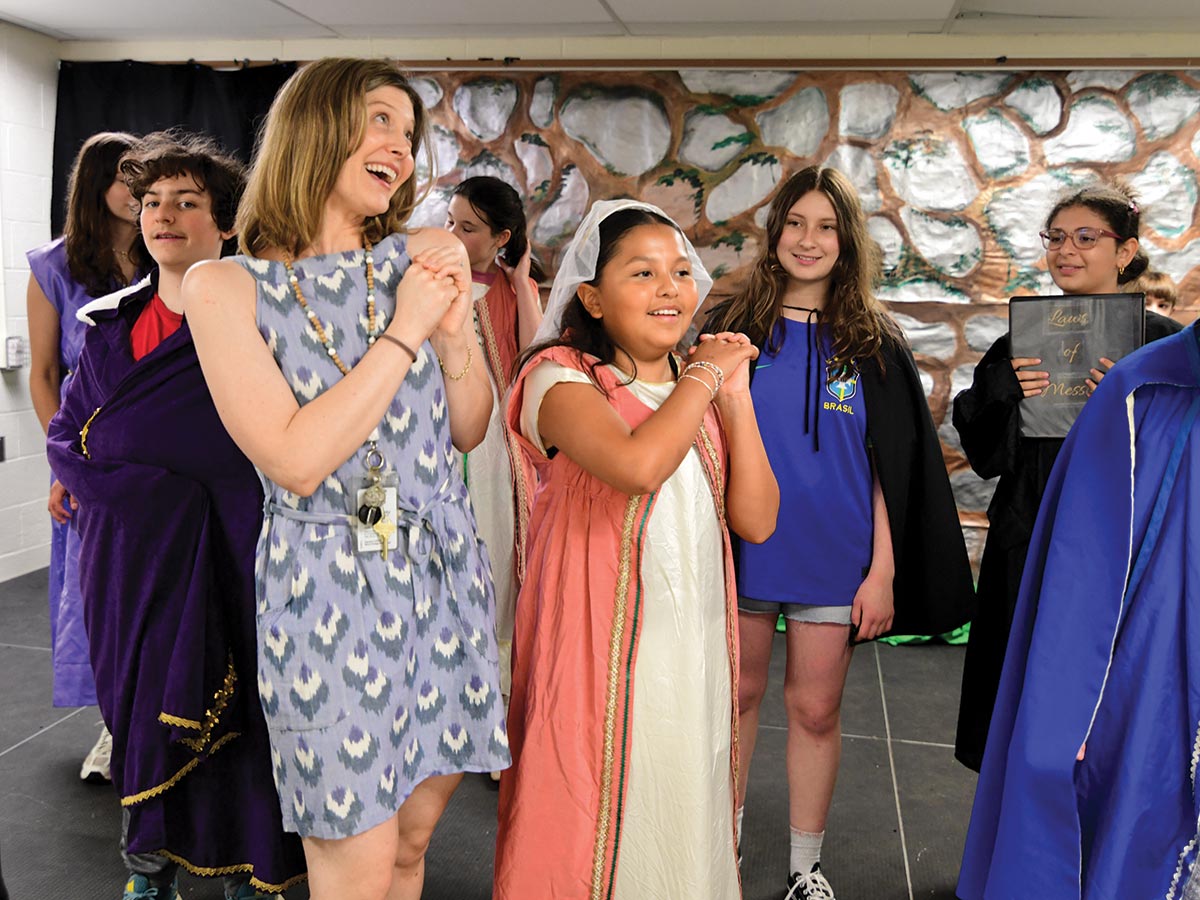
- One of the activities we do to boost reading fluency is reader’s theater. The students have a script they act out, and we make props and costumes out of upcycled items. One year, during a section on ancient Greece, two girls wanted to write a reader’s theater for the class. Then others became interested. When somebody wants to be included in one of those agency moments, the answer is always yes. One thing led to the other, and we ended up creating a whole class play about a fictitious god and goddess on an adventure.
- The magic of teaching is in the interaction, not in the curriculum. The curriculum stays static, but how you present it always changes. Every year I’ve taught has been a completely different year, really. It’s dictated by the children, who are always different from each other. One year I felt like they were a bunch of economists. Another year they were the picketers. Each class has its own personality.
Tony Frazier
Aviation Technology, Entrepreneurship and Drones Teacher
Arlington Career Center (a STEM-oriented high school)
Years Teaching: 25
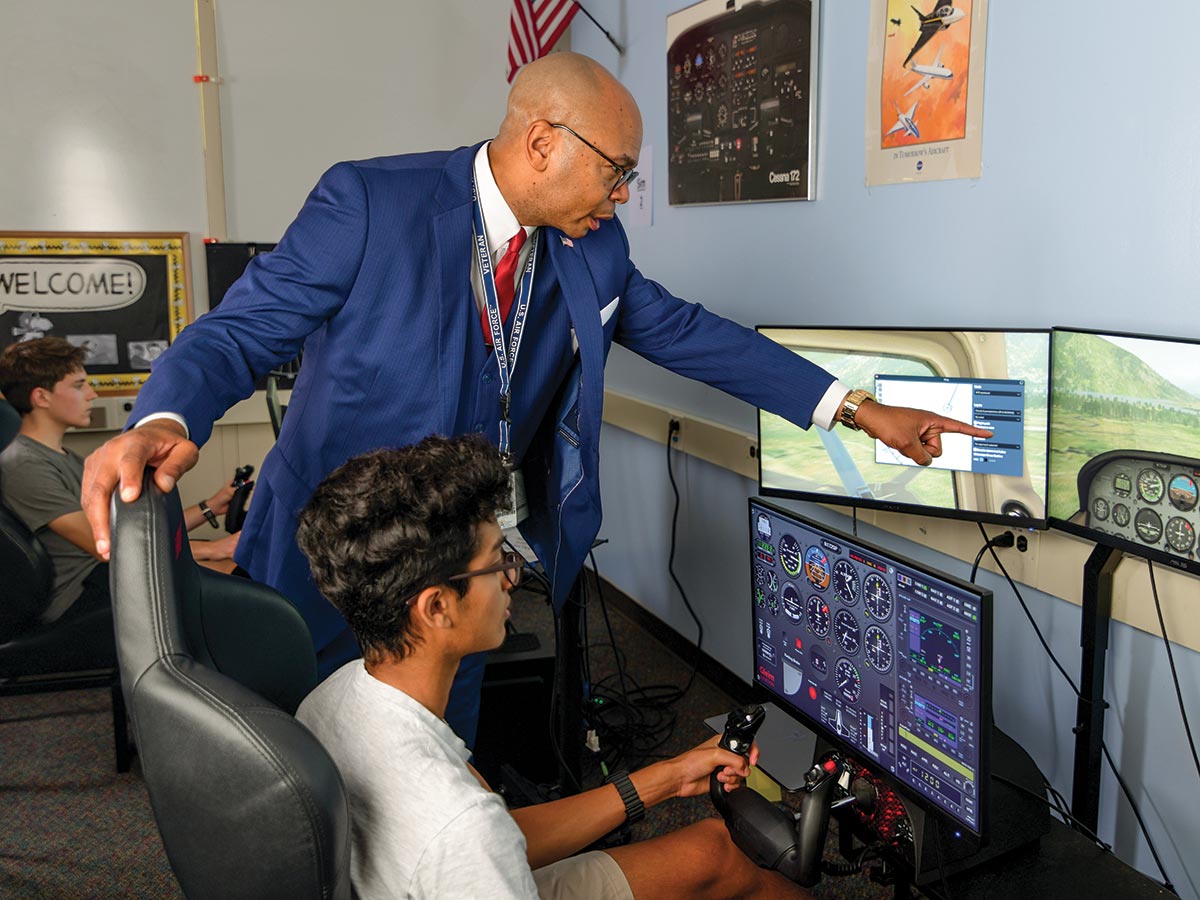
Frazier spent 20 years in Air Force intelligence, retiring as a technical sergeant before taking up teaching and running Junior ROTC programs in Prince George’s County, Maryland and in West Virginia. He has received teaching awards from the Air & Space Forces Association and the Virginia Department of Education, most recently earning second place for the National Air & Space Forces Association/Rolls Royce Aerospace STEM Teacher of the Year. He is also a commercial pilot.
- My students use flight simulators, maps, GPS, visual and paper navigation, weather information, aircraft checklists and other hands-on activities to understand how aviation works. The program exposes them to flying aircraft, drones, military aviation, engineering, aircraft maintenance, and the decision-making pilots use to communicate, plan and stay safe. Students are not just learning about airplanes; they are building discipline, confidence, problem-solving skills and career awareness that can help them see aviation and aerospace as real possibilities for their future.
- My big foundation for my classes, being from the military, is respect. I’m respecting you, you’re respecting me.
- I would never have chosen the teaching profession initially, but I love it. I like to watch the growth process.
- I now have about 50 former students who will be pilots, engineers, aircraft maintenance folks. Maybe they’re flying for fun. I’m a part of that process, no matter what they decide to do, and that’s nice. I teach them, and they run with it.
- One former student is an FBI agent. He said to me, “I want to thank you for staying on me and keeping me disciplined. Everything you said helped me become a federal agent. Now I understand.”
- It’s easy for teachers to burn out if they aren’t here for the right reasons. You have to want it. It’s not about you, it’s about the students.
Rachel O’Leary
6th Grade Teacher and Equity Lead
Haycock Elementary School
Years Teaching: 16
O’Leary worked in London and South Africa before joining the staff at Haycock nine years ago. In 2025, she was recognized as Falls Church City Public Schools’ Region 2 Teacher of the Year. She lives in Arlington’s Maywood neighborhood.
- Every interaction you have with a child is an opportunity to lift them up and really see them and make sure they know that you respect them. The way you speak, what you say, how you position your body, whether you get down to their eye level—all of those things matter.
- Sixth grade is fun because the kids have a lot to say. They are thinking critically and they’re becoming teenagers, so they are changing. They care about big issues—the environment, injustice—and they’re at that point in their life where they’re on the cusp of taking action. I love that.
- I’ve told students, “I am very aware that you could open up ChatGPT, type in a prompt and you could get this out in five minutes, but that’s not why we’re doing this. I’m looking at what you get done in class.” If you show them you want to see how they grow, provide feedback and literally work next to them, then you’re not putting the focus on the grade. You’re putting it on their learning through it.
- I try to be creative with the state-mandated curriculum. One unit on conservationism focused on Marjorie Stoneman Douglas and the Everglades, but many students couldn’t relate because they had no connection to Florida. I contacted the National Park Service, and we did a virtual field trip, where the students could see the vegetation and the animals through the eyes of a park ranger.
- Give them space to have a voice. You have to ask deep questions so they have an opportunity to really think and engage in meaningful discussions, not just “what’s the right answer?”